
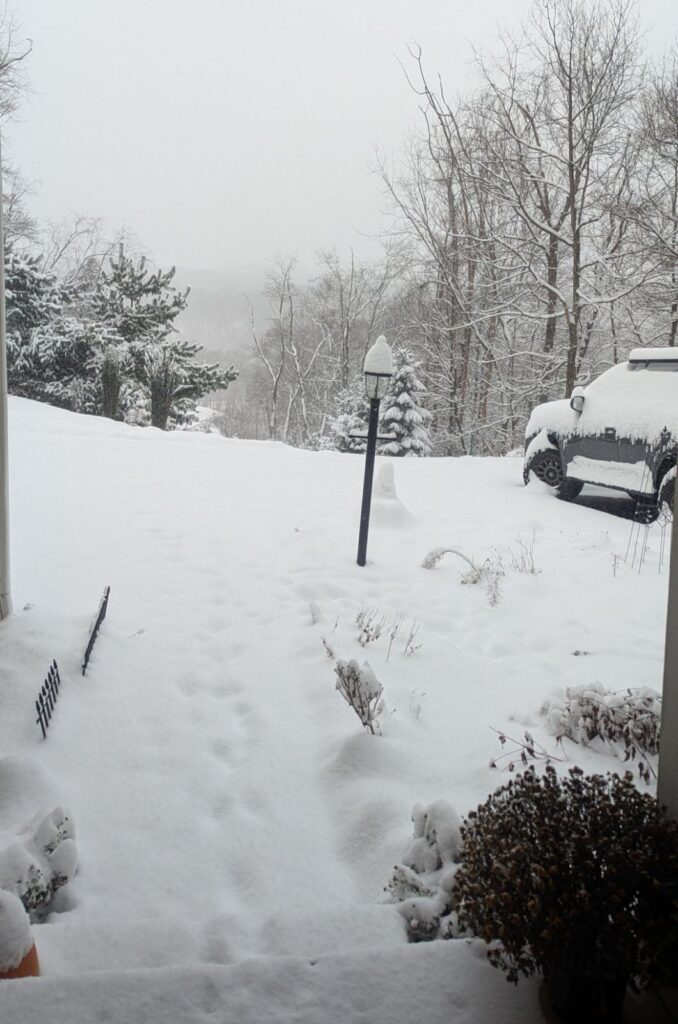
You may be seeing posts and articles urging you to wrap up 2025 and jump into 2026. Some of this pressure is coming from your tax accountant if you are in the US. You may be clamoring to spend or save just the right amount before 12/31/2025 – but you don’t have to rush.
The holidays are likely adding extra pressure with shopping, cooking, travel, and events. And to top it all off, the flu and COVID season is hitting hard this year.
But you don’t have to rush.
The turning of the page to January 1 is completely artificial, sending your nervous system into panic mode for what 2025 should have been and anxiety that 2026 is already behind. Research shows that disrupted circadian rhythms and artificial pressure can significantly impact mental health and mood regulation, particularly during winter months¹
But you don’t have to rush.
What if you looked at this season through a lens that has been in place for millennia instead of the man-made constraints that are drawing you into a frenzy?
What would that be like?
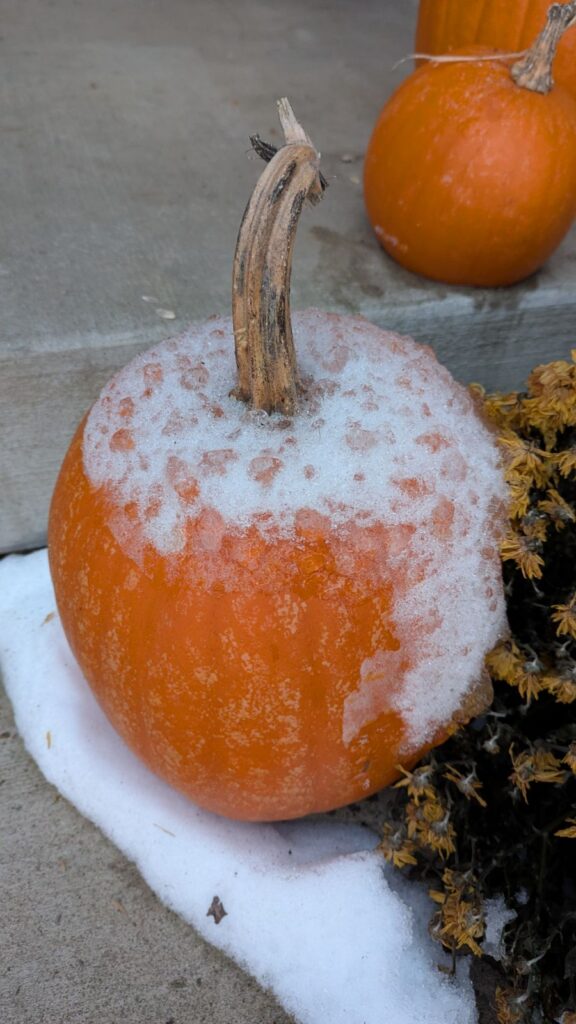
The Science of Seasonal Rhythms
There are natural cycles that exist. When we align our actions with these cycles, we automatically calm our minds and bodies and see better outcomes from our efforts. Research on seasonal affective patterns confirms that our bodies experience significant physiological changes throughout winter months, including alterations in serotonin production, sleep patterns, and energy metabolism².
Studies show that seasonal variations in energy intake are normal and adaptive, with many people naturally requiring different nutritional and activity patterns during winter months compared to summer³. This isn’t a personal failing—it’s your biology responding appropriately to environmental cues.
Over two thousand years ago it was said, “To everything there is a time, and a time for every matter under the sun” (Ecclesiastes 3:1, Christian Bible).
Instead of honoring seasons and cycles, we guide our lives by clocks and calendars. I do this, too, and it’s not likely to change any time soon. However, we can start to pay more attention to natural cycles and in doing so, feel less rushed.
Embracing Winter’s Natural Purpose
On Wednesday, I gathered with a small group of women to talk about the idea of wintering. One of the biggest themes that came from the discussion was to embrace the season and its benefits or challenges. This meant embracing winter and appreciating the elements that are uniquely available in this time, and to equally embrace summer, spring, and fall. Instead of lamenting the cold, our feelings about it, or wishing it was different.
By the way, embracing the present is a great way to alleviate stress! Research consistently shows that mindfulness and seasonal acceptance can significantly reduce anxiety and improve overall mental well-being during challenging periods.
Understanding Nature’s Calendar
What does that look like for our purposes?
Let’s look at what is happening during this time.
December 21 is the shortest day of the year. This means that leading up to the solstice, the days are getting shorter, and after the solstice, the days begin to get longer and brighter until Spring Equinox.
January 1 is completely arbitrary in the natural world.
What if you reoriented to a natural calendar? How would your year look?
Spring – planting seeds and experiencing an energetic burst and growth
Summer – harvesting fruits, enjoying long bright days, and work
Fall – clearing and cleaning up, letting go of what has served its purpose, storage, and preparation for quiet
Winter – planning, integrating, rest, dormancy
Even gardeners understand this wisdom. The Penn State Extension Winter Garden Activity Guide emphasizes that “winter is a time to reflect on the successes and disappointments of last year’s garden” and focus on planning and preparation rather than active cultivation⁴.
Practical Ways to Honor Winter’s Rhythm
That means that during this winter time, we focus on planning, integrating, and rest. AND, we don’t start something new with a high energetic push until the spring.
What changes would you make if you used this season of winter from January – March to plan, integrate, refuel, and rest?
Consider these winter-aligned activities:
• One way to use this season is to reflect on 2025’s lessons and growth rather than rushing toward new goals
• Use this season to research and plan your next season of growth without committing to immediate action
• Focus on rest and restoration over productivity metrics – you don’t need to rush
• Allow your energy and appetite to follow natural patterns rather than forcing summer behaviors
What would be good for you about this season?
Join Us in Natural Planning
On January 9, 2026, I will be gathering a small group together to reflect on 2025 and plan for 2026 using these natural rhythms as our guide. If you would like to join us in honoring the winter season while strategically preparing for spring, you can learn more here.
You are not behind. You do not need to rush.
References
1. Dollish, H. K., Tsyglakova, M., & McClung, C. A. (2024). Circadian rhythms and mood disorders: Time to see the light. PMC.
2. The Guardian. (2025, December 17). How to beat the winter blues: Expert advice on SAD lamps, socializing and celebrating new year in April.
3. Fujihira, K., Takahashi, M., Wang, C., & Hayashi, N. (2023). Factors explaining seasonal variation in energy intake: A review. Frontiers in Nutrition, 10, 1192223.
4. Penn State Extension. Winter Garden Activity Guide. Retrieved from https://extension.psu.edu/winter-garden-activity-guide